 info@cotexglobal.com

Carbon steel seawater deluge systems are widely used throughout the offshore oil and gas industry as an essential fire extinguishing system. Encompassing a deluge control valve, distribution pipe work and a deluge nozzle, which are primarily open sprinklers, seawater is discharged instantaneously from all heads when the deluge control valve is open upon activation of detector providing a comprehensive high volume water spray to extinguish fire, cooling of infrastructure and to facilitate emergency response, evacuation and rescue (EER) activities.
Legislation (NFPA 15 and NFPA 25) dictates that all deluge systems are tested once a year, this is completed by performing a wet test, normally using sea water, which requires the system to be activated a full flow for a period of 15 minutes in order to check the integrity, ensure coverage and the spray pattern for each nozzle.
As such, fire extinguishing seawater deluge systems on offshore locations are prone to persistent problems encountered with blockages and corrosion of nozzles and pipe work caused by the carbon steel reacting with the seawater and/or marine growth.
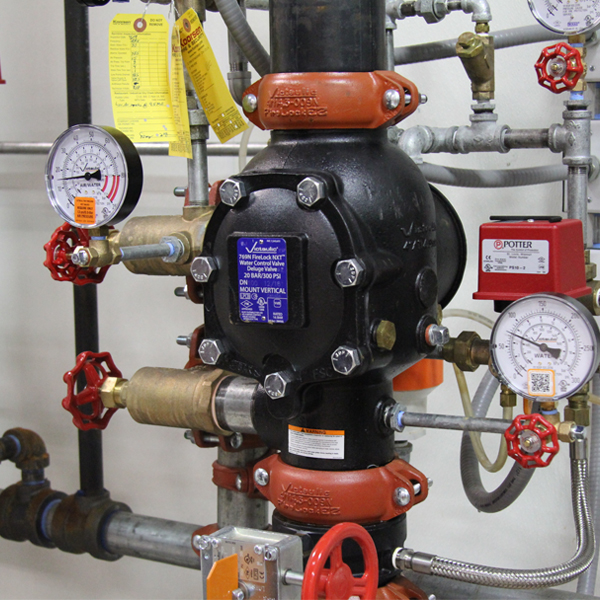
Maintenance, Cleaning and Testing
Using latest technology we have developed a range of specialist cleaning techniques including high pressure water retro jetting, chemical circulation and mechanical methods and safe working procedures to undertake the necessary maintenance, cleaning and testing of carbon steel seawater deluge systems ensuring that optimum performance and functionality is maintained to extinguish fire, provide critical cooling of infrastructure and safeguarding lives of personnel and catastrophic damage to assets.
On cleaning the seawater deluge system, preservation inhibitors can be applied to protect the system against corrosion prolonging its life cycle. Routine cleaning and application of preservation inhibitors should form part of a regular planned maintenance routine (PMR).